Transforming Kids' Diets: Alexandra's Red Pepper Pasta is Your Secret Weapon
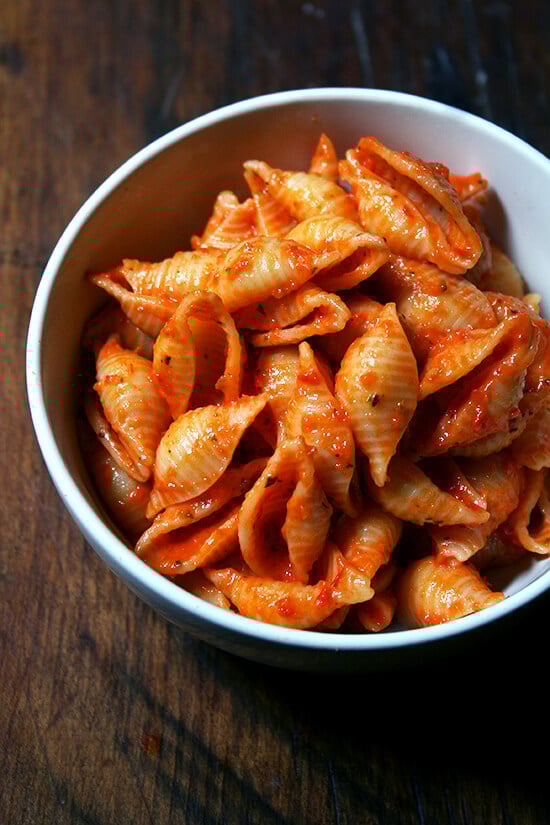
Every parent knows the struggle: the endless battle against processed snacks, the pleading for "just one more bite" of vegetables, and the sinking feeling when a child identifies a healthy carrot as, gasp, a "hotdog." This universal challenge was precisely the wake-up call Alexandra faced after a demanding family move. Weeks of packing, a cross-country drive, and the chaos of unpacking had taken a significant toll on her children's diets. Takeout became a staple, salty snacks were too readily available, and drive-thru visits far too frequent. The consequence? A concerning shift in her kids' palates and perceptions of food. But from this dietary dilemma emerged a brilliant, delicious solution: a simple, three-step red pepper-tomato sauce that has since become a cornerstone for introducing vegetables in an appealing, irresistible way, particularly when served with classic pasta shapes like
shells with red pepper tomato sauce.
The Challenge: When Carrots Become "Hotdogs"
Life with kids is a constant juggle, and healthy eating often falls by the wayside when stress or busy schedules take over. Alexandra's anecdote about her son Graham mistaking a carrot for a hotdog resonates deeply with parents everywhere. It's a stark reminder of how quickly unhealthy habits can take root and how crucial it is to reset. In an age of readily available convenience foods, children are often exposed to highly processed, high-sugar, and high-sodium options that can rewire their taste buds away from natural, wholesome flavors.
The "hotdog" incident was a pivotal moment for Alexandra. Faced with a season of abundant fresh vegetables, she knew there was no excuse to continue down the path of dietary neglect. Her immediate mission: create a vegetable-rich meal that her children would not only tolerate but genuinely enjoy. Her solution, a red pepper-tomato sauce she'd learned years prior, promised to be a game-changer. It’s a testament to the power of a well-crafted recipe to turn the tide against picky eating and reintroduce the goodness of nature's bounty into young diets.
Alexandra's 3-Step Red Pepper-Tomato Sauce: A Culinary Revelation
The brilliance of Alexandra's red pepper-tomato sauce lies in its simplicity and effectiveness. It transforms humble vegetables into a vibrant, flavorful purée that hides their identity while retaining all their nutritional value. This isn't just another pasta sauce; it's a strategic culinary move designed to appeal to even the most discerning young palates. The process unfolds in three distinct phases, making it remarkably easy to master:
- Phase One: Gentle Simmering Begins. Diced tomatoes and peppers (often red for that appealing color and sweetness) are placed in a pot with a small amount of water. This initial phase is about kickstarting the cooking process and allowing the vegetables to begin softening without browning.
- Phase Two: Juices Released, Flavors Intensify. As the vegetables continue to simmer, they naturally release their internal juices. The ratio of liquid to solids dramatically increases, creating a rich, flavorful broth as the peppers and tomatoes break down. This is where the magic of slow cooking begins to build depth.
- Phase Three: Melting Tenderness and Evaporation. The final simmering stage sees the vegetables become meltingly tender. As the last bit of liquid evaporates, the softened peppers and tomatoes begin to cling to the bottom of the pan, signifying they are perfectly cooked and ready for the next step.
This entire transformation takes approximately 25 minutes – a remarkably short time for such a profound change. Once the vegetables have reached this tender stage, they are transferred to a blender along with a generous handful of fresh basil for aromatic depth, a dab of butter for richness and smoothness, and a drizzle of good quality olive oil. The result? A light orange purée that is not only visually appealing but also incredibly smooth and naturally sweet.
This versatile sauce can adorn anything from homemade pizza to sophisticated eggplant involtini, but it truly shines when paired with simple
shells with red pepper tomato sauce, garnished with a sprinkle of shaved Pecorino cheese. It’s a dish universally adored by picky children and agreeable adults alike, proving that healthy food doesn't have to be a compromise on taste. For a deeper dive into this incredible recipe, check out our guide on
Easy 3-Step Red Pepper Tomato Sauce for Picky Eaters.
Why This Sauce Wins Over Picky Eaters
What makes Alexandra's red pepper-tomato sauce so effective in the battle against picky eating? It boils down to a few key factors:
*
Smooth Texture: There are no chunky bits or unfamiliar textures to trigger apprehension. The purée is silky smooth, making it easily palatable for children sensitive to varying food textures.
*
Appealing Color: The vibrant, light orange hue is inviting and doesn't carry the "green equals healthy and therefore yucky" connotation some kids associate with vegetables. It looks delicious and playful.
*
Sweet & Savory Flavor Profile: Red bell peppers, when cooked down, release a natural sweetness that perfectly complements the tang of tomatoes. The added basil, butter, and olive oil round out the flavor, making it incredibly satisfying without being overtly "vegetable-y."
*
Familiar Presentation: Serving it with
shells with red pepper tomato sauce leverages a classic, comforting, and universally loved pasta shape, reducing novelty anxiety and increasing acceptance.
Beyond the Plate: Integrating Healthier Habits with Kitchen Organization (and a nod to 'pegboard')
While a fantastic recipe is a crucial first step, sustaining a healthy diet for children requires more than just one hero dish. It demands a holistic approach, often starting with the very heart of the home: the kitchen. For busy parents striving to make nutritious meals a regular occurrence, an organized and efficient kitchen is invaluable. Imagine a culinary space where ingredients are easy to find, tools are within reach, and the process of cooking feels less like a chore and more like an enjoyable activity.
This is where thoughtful kitchen organization comes into play. For instance, creating a dedicated meal prep zone, or even utilizing a practical solution like a
pegboard for hanging essential utensils, small pots, or even recipe cards, can drastically reduce cooking time and mental load. A kitchen pegboard can transform a cluttered counter into an accessible, visually appealing command center. It can display spices, a frequently used measuring cup, or even a child's chore chart related to kitchen helper tasks. By making cooking more streamlined, parents are more likely to bypass the drive-thru and embrace homemade meals.
Consider how a well-organized pantry, clearly labeled containers, and a designated spot for fresh produce can empower healthier choices. When ingredients for that delicious
shells with red pepper tomato sauce are readily available and visible, the path to cooking a nutritious meal becomes much clearer. Making healthy eating the default often starts with creating an environment that supports it. For more quick and healthy meal ideas to stock your efficient kitchen, be sure to read our article on
Minute Red Pepper Tomato Sauce: Your Summer Kitchen Staple.
Practical Tips for Sustaining a Vegetable-Rich Diet
Transforming kids' diets is an ongoing journey, not a one-time fix. Here are some actionable tips to help you build on the success of recipes like Alexandra's pasta sauce:
*
Involve Them in the Process: Kids are more likely to eat what they've helped prepare. Let them wash vegetables, stir ingredients (under supervision), or even pick out the pasta shape for their
shells with red pepper tomato sauce.
*
Make it Fun and Creative: Give vegetables silly names, arrange them into fun shapes on the plate, or use cookie cutters for fruits and vegetables. The goal is to make healthy food an enjoyable experience.
*
Be Persistent, Not Forceful: Don't make food a battleground. Offer new vegetables repeatedly without pressure. It can take many exposures before a child accepts a new food.
*
Lead by Example: Children mimic what they see. Ensure you and other adults in the household are regularly eating a variety of fruits and vegetables.
*
"Sneak It In" Strategically: While transparency is good, sometimes a hidden vegetable strategy (like in this red pepper-tomato sauce, or puréed into smoothies, muffins, or casseroles) is necessary to boost nutrient intake.
*
Explore Variety: Don't get stuck on just a few vegetables. Introduce different colors, textures, and flavors regularly to broaden their palate.
Conclusion
Alexandra's journey from "hotdog" carrots to "apple" tomatoes (a definite upgrade!) is a powerful testament to the impact a simple, delicious, and strategically designed recipe can have. Her red pepper-tomato sauce, especially when served with beloved
shells with red pepper tomato sauce, offers a tangible path for parents to gently reintroduce vegetables and foster healthier eating habits in their children. It’s about more than just a meal; it’s about nurturing a positive relationship with food, building lifelong healthy foundations, and perhaps, even helping a child correctly identify a carrot the next time around. With a bit of culinary creativity and some kitchen organization, transforming your kids' diets from convenience-driven to vegetable-rich is not just a dream, but an achievable reality.